A short introduction
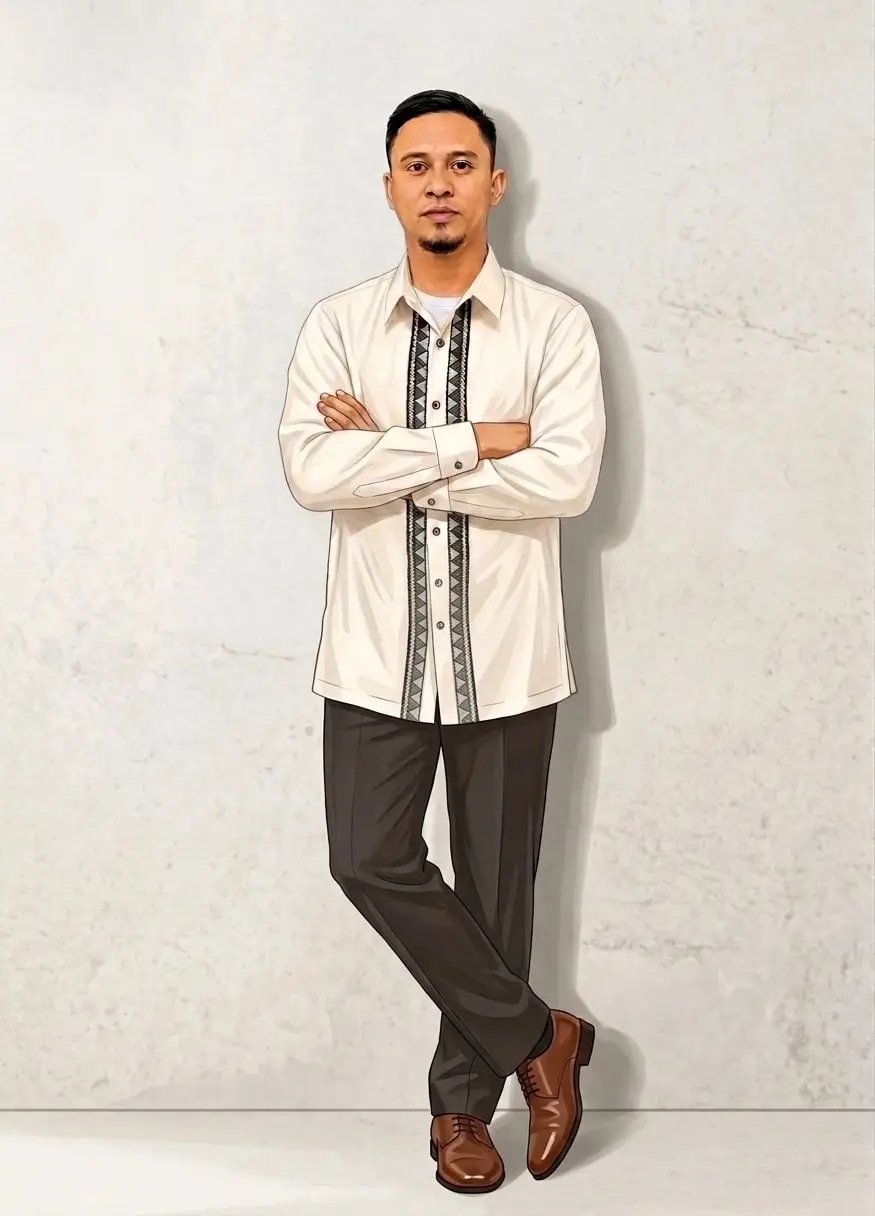
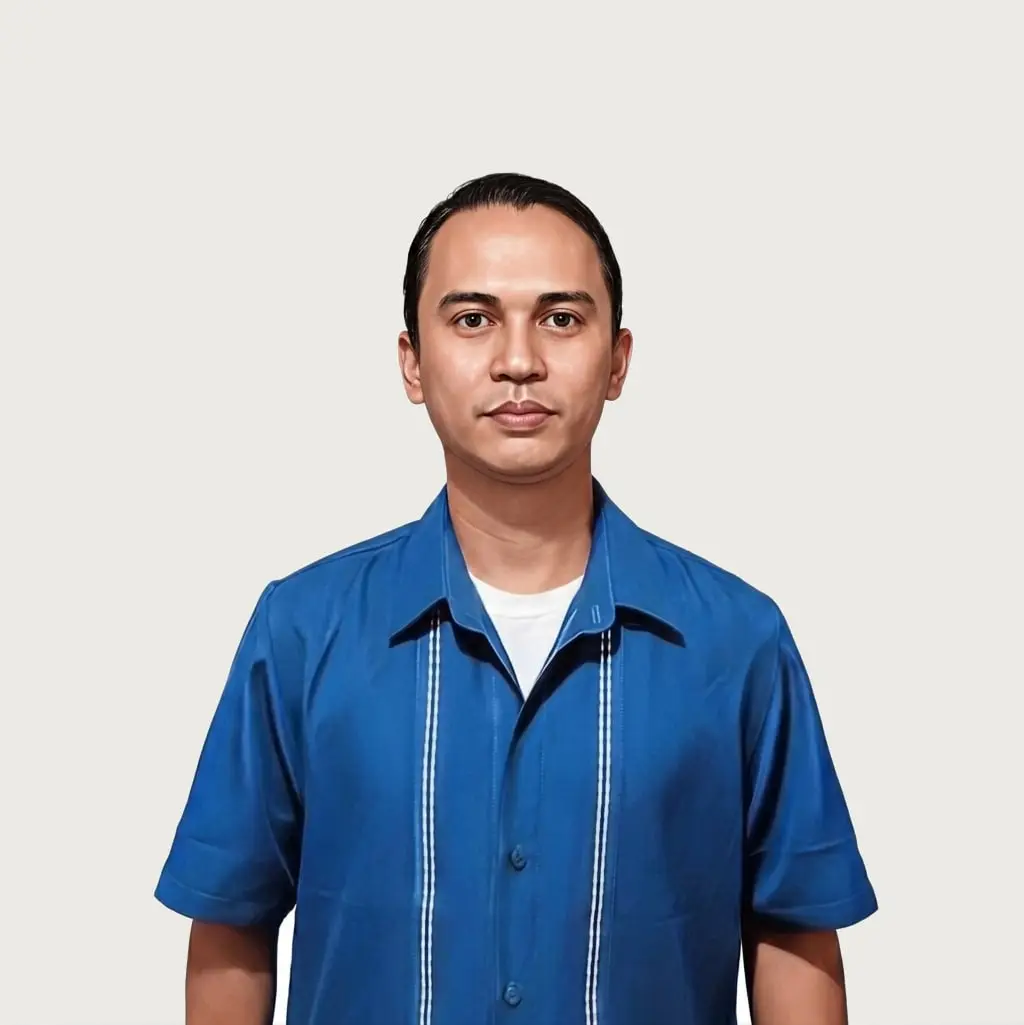
Mark Anthony Bungalso
Filipino educator, illustrator and content creator. I teach MAPEH in a Quezon City public school, illustrate learning modules for the Department of Education, and put the lessons — and a lot else — on a YouTube channel. Here's the short guide to all three.
The short version
A teacher in Quezon City who kept the camera running
I teach MAPEH — music, arts, physical education and health — in a public elementary school in Quezon City. When classes moved online, the practical half of that subject was the part that broke: you cannot demonstrate a relief print, a paper mache vase or a printing plate over a slide deck.
So I filmed the lessons. One camera, one table, one take where I could get away with it. They were built to the MELC list — the Most Essential Learning Competencies every public school works from — and localised, in Filipino and English, for the pupils in front of me. Then they found an audience well past that class: the traditional designs of Luzon, the flow of a melody, the rhythmic patterns — the most-watched of those have each been played tens of thousands of times.
Once the camera was out it stayed out. The family shirt print run, the walk through the stations at Grotto Vista, the Jenga tower, the taekwondo team — that mix is the point of the channel now rather than an accident.
What to expect from a video
Cheap materials, real mistakes
Nearly everything here is built from what a school or a household already has: cardboard, a plastic folder, oil pastel, a bottle that was going in the bin.
- No sponsorships. Nothing on the channel was sent to me.
- No hidden steps. If a print pulls badly, that pull stays in the video.
- Filipino and English both, depending on who the video is for.
The point is that you can follow along with what's on your table right now.
5.99K
Subscribers
128
Videos
2020
Teaching on camera since